Building a Living Corporate History: How Smart Organizations Preserve Expertise Across Generations
Introduction: The Organization That Remembers
Every educational institution has a story — a collection of decisions, innovations, failures, and hard-won lessons that shape who it is today. The question is whether that story lives only in the memories of a few long-tenured people or whether it becomes a living, accessible asset that guides the next generation of leaders, teachers, and staff.
Smart organizations don’t leave their history to chance. They build a living corporate history — a dynamic, evolving record of expertise that grows richer over time. This article explores why this matters in education, how to build it effectively with Nvitis Institutional Memory, real-world benefits, lessons from successful implementations, and a practical roadmap that turns institutional memory from a liability into a strategic advantage.
The High Cost of Forgetting
When institutional history lives only in people’s heads, every retirement, resignation, or leadership change creates a knowledge gap. New leaders repeat past mistakes. Promising initiatives stall because no one remembers why earlier versions succeeded or failed. Accreditation teams scramble to reconstruct decision trails. The organization loses not just efficiency, but its ability to learn and improve over time.
Research consistently shows that organizations with strong knowledge retention practices see faster onboarding, fewer repeated errors, and stronger long-term performance. In education, where continuity directly affects students, the stakes are especially high.
How Nvitis Builds a Living Corporate History
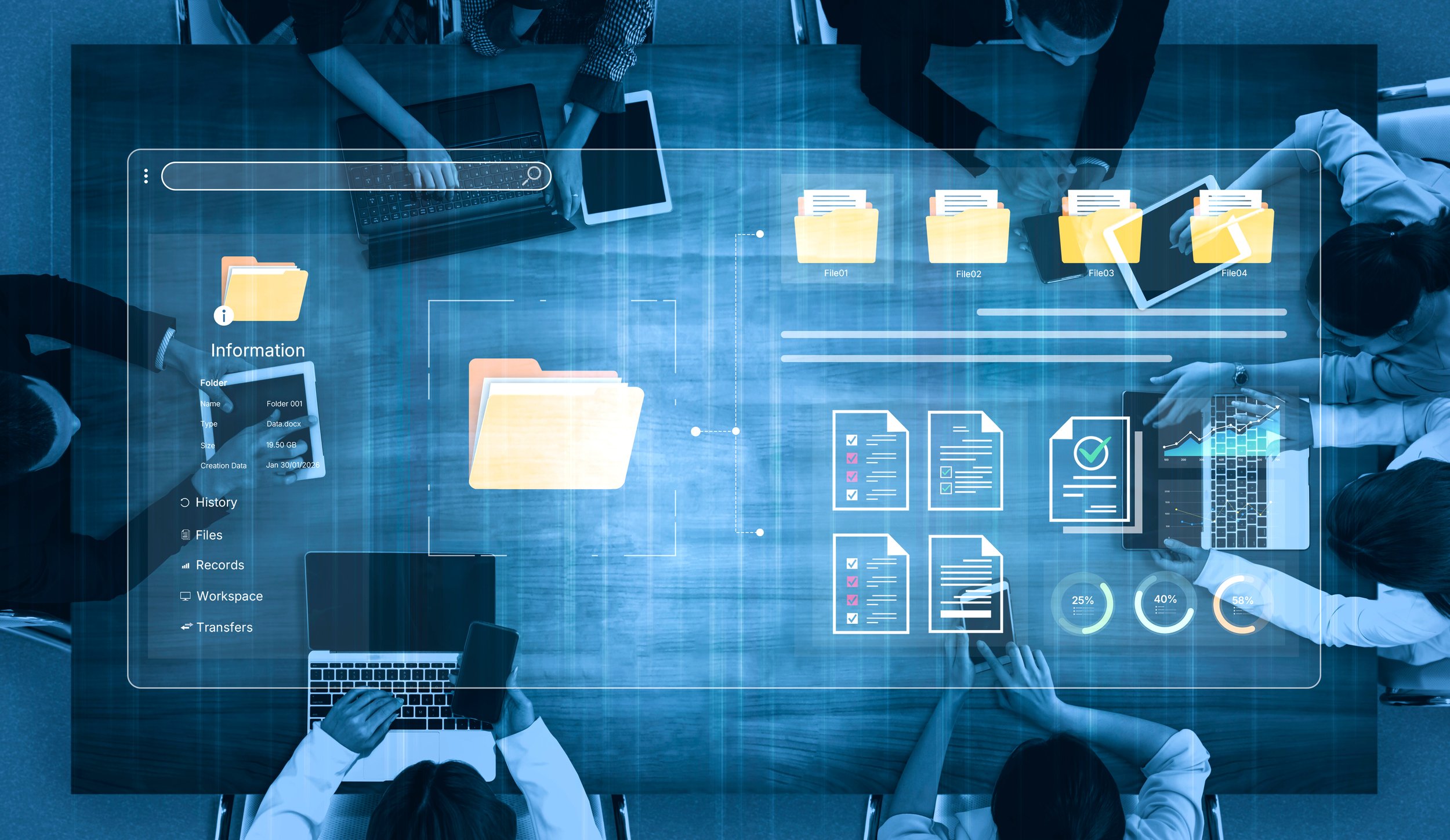
Nvitis Institutional Memory automatically captures and organizes your organization’s history into Living Storyboards — unified, chronological records with AI-generated narratives that explain what happened, why it mattered, and how it connects to current work. It preserves skill profiles, decision rationales, and lessons learned, making them searchable and usable for years to come.
Key Benefits for Educational Institutions
Accelerated onboarding and leadership transitions
Stronger compliance and audit readiness with complete decision histories
Reduced repeated mistakes and duplicated effort
Better strategic planning informed by institutional context
Preservation of expertise across generations of staff and leaders
Foundation for Dynamic Intelligence and proactive operations
Implementation Best Practices and Roadmap: Turning History into a Living Asset
Building a living corporate history is both a technical and cultural initiative. Here’s a practical, phased approach tailored for educational organizations.
Phase 1: Discovery and Prioritization (Weeks 1–4) Identify the knowledge domains that matter most for continuity and student success. Engage veteran staff in mapping critical history (successful initiatives, past crises, key partnerships, policy evolution). Prioritize domains with high impact on accreditation, grants, or operations.
Your Phase 1 Action Plan:
Interview long-tenured staff about “what new people always struggle to understand”
Map high-value historical domains (e.g., accreditation history, grant successes/failures, community partnerships)
Define success metrics (e.g., time saved during leadership transitions, reduction in repeated errors)
Phase 2: Automatic Capture and Narrative Building (Weeks 5–12) Connect your existing systems so Nvitis can automatically capture decisions, rationales, and outcomes. Use AI to generate initial Living Storyboards, then have veteran staff review and enrich them with context.
Key Actions:
Integrate key platforms (email, documents, project tools)
Generate and validate Living Storyboards for priority domains
Establish light governance for sensitive historical information
Phase 3: Pilot, Refine, and Embed into Culture (Months 4–9) Launch in one high-visibility area (for example, accreditation history or successful grant programs). Train both new and veteran staff. Gather feedback and refine the experience. Then expand while embedding the practice into onboarding and leadership transition processes.
Your Pilot Success Metrics:
Time saved accessing historical context
New staff feedback on clarity of institutional history
Reduction in repeated questions or errors in the pilot domain
Common Challenges and Mitigation Strategies
Staff resistance to documenting the past: Frame it as protecting legacy and helping colleagues succeed faster.
Maintaining narrative quality: Use periodic light reviews by key staff rather than heavy ongoing burden.
Cultural shift: Celebrate early wins (e.g., “We just saved the new team weeks during accreditation because the full history was already in one place”).
Measuring Success
Track time saved during leadership transitions and accreditation cycles, reduction in repeated mistakes, staff satisfaction with knowledge access, and the richness of Living Storyboards over time. Organizations that treat institutional memory as a living asset see compounding returns as the history grows more complete and useful.
Conclusion
A living corporate history isn’t about archiving the past — it’s about equipping the present and future with the wisdom of experience. By building this capability with Nvitis Institutional Memory, educational organizations protect productivity, strengthen continuity, and ensure that hard-won lessons continue to serve students and staff for generations.